Read Time: 5 min
Summary
Discover how hot water systems work. Traditional systems use a tank to keep water hot, while tankless systems heat water on demand, providing instant hot water without storage.
It's most unlikely that you would find an Australian household or business without a hot water system. After all, they are an essential part of our daily life, providing reliable hot water for personal care, showers, washing dishes, and laundry. We rarely consider how our hot water system operates until the unexpected happens, it malfunctions, and we’re hit with an often costly problem.
When you are in the market for a new hot water system, that is typically the time when you make enquiries about brands, types, and how they actually are going to deliver reliable hot water. It's important to have an understanding of how hot water systems work to help you choose the right system for your needs, maintain it effectively, and spot potential issues before they escalate into stressful and expensive issues
Types of Hot Water Systems
When it comes to choosing a hot water system, understanding the different types is key to finding the right one to meet your home or workplace demands. Electric hot water systems are popular for their reliability and ease of installation, while gas hot water systems offer fast heating and lower running costs. In recent years, solar has become a popular energy source, and homes have especially been utilising this eco-friendly option. Solar is powered by the sun and often paired with a backup electric or gas unit for consistent hot water.
Hot water systems are available in a wide range of sizes, capacities and energy ratings, and there is a unit to suit all applications. For homes with limited space, tankless or continuous flow hot water systems provide hot water on demand without the need for a bulky tank taking up space, making them an ideal solution. Whether you choose an electric, gas, heat pump, or solar water heater, most leading brands offer the perfect solution to suit your needs and budget.
⚡Electric Hot Water Systems
Electric hot water systems use a heating element inside a tank to heat water. A thermostat controls the temperature, ensuring the water stays at the desired temperature. Once the water is heated its stored in the insulated tank until needed. The tank can be either installed indoors or outside, depending on space and access to required plumbing.
🔥Gas Hot Water Systems
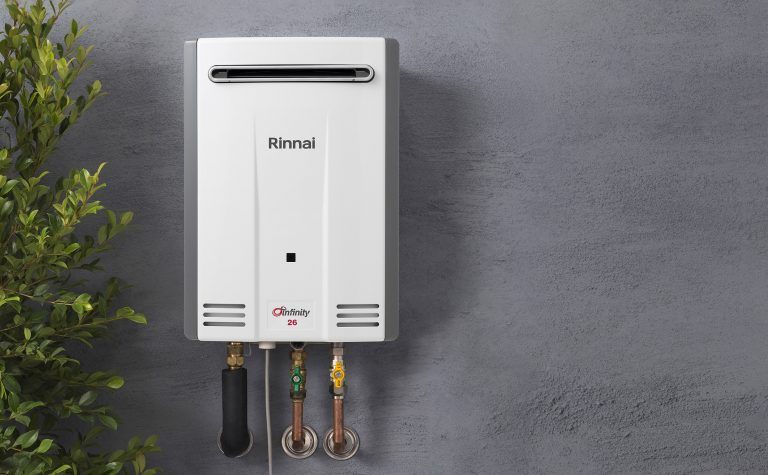
Gas hot water systems heat water using natural gas or LPG as water passes through a gas burner, heating it almost instantly in continuous flow systems or storing it in a tank for later use. Gas systems are generally faster at heating water and can be more energy-efficient than electric systems.
🌞Solar Hot Water Systems
Solar hot water systems use solar panels to capture energy from the sun. This energy is then used to heat water stored in a tank. Many solar systems have a backup electric or gas element to ensure hot water availability during cloudy days.
💧Heat Pump Hot Water Systems
Heat pump systems extract heat from the air or ground and transfer it to water stored in a tank. These systems are highly energy-efficient and environmentally friendly, reducing electricity consumption compared to traditional electric systems.
How Hot Water Systems Deliver Water?
Hot water systems conveniently connect to your plumbing and deliver water through pipes to taps, showers, and appliances. With tanked systems, they store a supply of heated water ready for use, while continuous flow, often referred to as tankless systems, heat water on demand, providing endless hot water without the need for storage.
Key Components of a Hot Water System
- Tank/Storage Unit - Holds heated water for use.
Heating Element/Burner - Heats the water efficiently. - Thermostat - Controls water temperature and ensures safety.
Pipes and Valves - Transport water to where it is needed and are insulated to maintain water temperature.
Pressure Relief Valve - Prevents over-pressurisation and ensures safe operation. - Termostatic Mixing Valve - Regulates water temperature to avoid burns and scalds
Keep your Hot Water System Reliable with Regular Maintenance
Routine maintenance is the key to keeping almost everything in our lives running smoothly, from household appliances to vehicles, personal gadgets and our hot water systems. Regular care and attention will help prevent unexpected breakdowns, extend the lifespan of your hot water system and ensure it continues to perform efficiently.
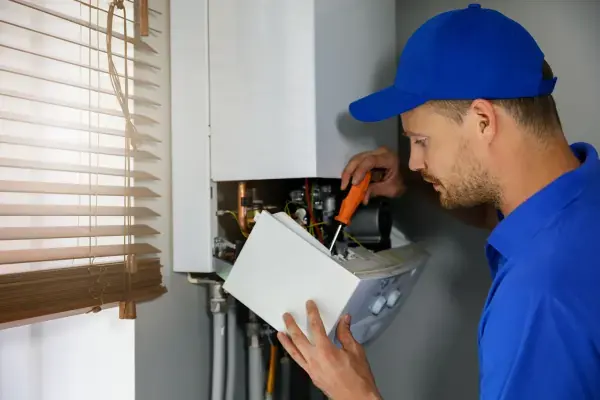
It’s a simple step that ensures comfort, reliability and peace of mind in our daily routines. Schedule a licensed plumber to do a thorough check of your system annually to identify any underlying issues and have them resolved to prevent unexpected breakdowns.
Signs Your Hot Water System Needs Attention
Generally, it's easy to tell if your hot water system is struggling to keep up with your household or business demands. Most newer model hot water systems have a generous life span if looked after. However, if your current system is older, proactive attention is definitely wise. Signs to look out for include:
- Inconsistent or No Hot Water – Water takes longer to heat, doesn’t reach the desired temperature, or runs out quickly.
- Strange Noises – Rumbling, banging, or popping sounds can indicate sediment buildup in the tank.
- Leaks or Pooling Water – Any water around the base of your hot water system could be a sign of corrosion or a faulty valve.
- Rusty or Discoloured Water – Brown or orange water suggests internal rusting or tank corrosion.
- Foul Smell or Taste – A rotten egg smell often indicates bacterial growth or a failing anode rod.
- Frequent Repairs – If you’re calling for maintenance often, your system may be reaching the end of its lifespan.
- High Energy Bills – A system that’s working harder due to inefficiency will increase your energy costs.
If you have any questions or would like guidance on hot water systems, reach out to our team on 1300 405 703