Read Time: 4 min
Summary
Explore the pros and cons of different hot water systems to choose the best fit for your home or business. Tank systems offer reliable stored hot water but take up space, while tankless (continuous flow) systems save space and energy but can be costly to install. Solar systems are eco-friendly and reduce energy bills but depend on sunlight, whereas heat pump systems are highly energy-efficient but have higher upfront costs.
When you are in the market to invest in a new hot water system, both at home or for your business, it's important to take into consideration the pros and cons of each type and model. Choosing a hot water system that will be reliable and meet your household's hot water demands is essential for comfort, efficiency, and cost-effectiveness. With various options available, understanding the advantages and disadvantages of each system can help you make the best decision in relation to performance, efficiency and financial.
Start with your household size, energy efficiency goals, space availability and budget. It's always advisable to consult a licensed and knowledgeable plumber who can help determine the most suitable option and deliver a safe, reliable installation. The same approach used for choosing a residential hot water system can be applied when investing in a system for commercial use. Here is a breakdown to help with your decision-making:
✔️Storage Tank Hot Water Systems
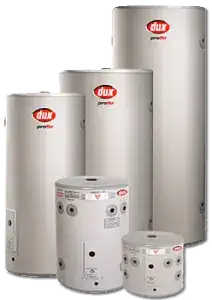
Traditional storage tanks have been around for decades; they store heated water in a tank, ready for use when needed. They are powered by electricity, gas, or solar energy and can be installed either inside your property or outside, depending on space and access to plumbing. All major hot system brands, including Rheem, Dux, Rinnai and Bosch, offer reliable storage tank systems.
Pros:
- Reliable supply: Always have a ready tank of hot water.
- Lower upfront cost: Generally cheaper to purchase and install than some modern systems.
- Suitable for multiple outlets: Ideal for homes with high simultaneous hot water usage.
Cons:
- Higher energy costs: Standby heat loss can increase energy bills.
- Space requirements: Tanks can take up significant space.
- Limited capacity: Once the tank runs out, you must wait for it to refill.
✔️Tankless (Continuous Flow) Hot Water Systems
Tankless hot water systems, often referred to as instant, deliver hot water on demand without storing it in a tank, using either gas or electricity. They are the ideal choice for apartments, units, and office kitchens where space is limited. Available in a wide range of sizes and trusted brands, tankless systems offer a neat, space-saving design and reliable on-demand performance. As they only heat water as needed, they are among the most energy-saving water heating solutions.
Pros:
- Energy efficient: Only heats water when needed, reducing energy consumption.
- Compact size: Perfect for homes with limited space.
- Unlimited hot water: Continuous supply as long as the system can keep up with demand.
Cons:
- Higher upfront cost: Installation and purchase are more expensive.
- Flow rate limitations: May struggle to supply multiple outlets simultaneously in large households.
- Potential maintenance: Requires regular servicing to prevent scale build-up, especially in hard water areas.

✔️Solar Hot Water Systems
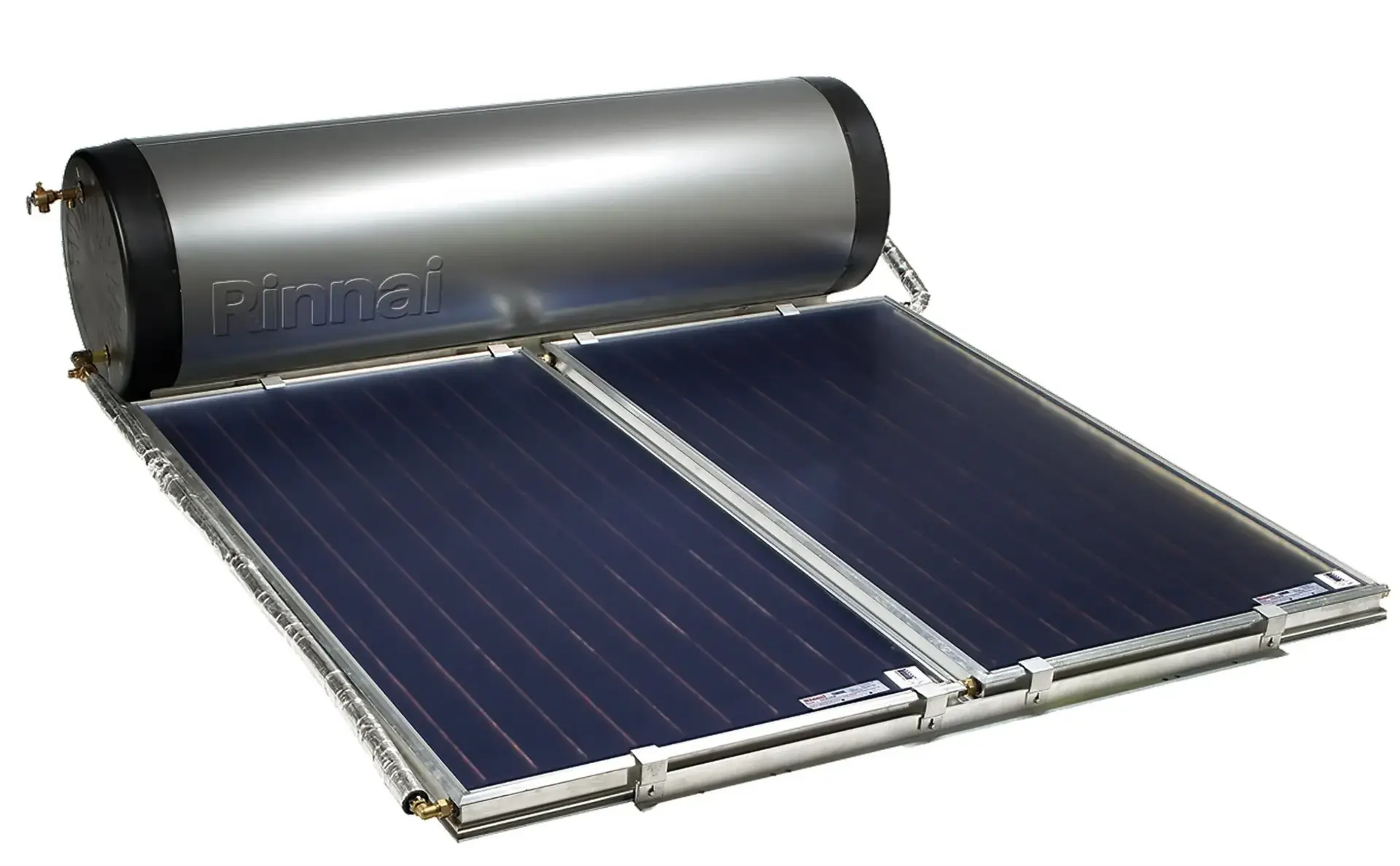
Solar hot water systems use energy from the sun to heat water, and as many households are environmentally conscious, Solar is an eco-friendly option. Ideal for cutting energy costs, these systems work extremely well in sunny climates and are often supported by a backup electric or gas booster for cloudy days. With various models available, solar hot water systems are smart, sustainable and very economical due to harnessing energy from the sun.
Pros:
- Environmentally friendly: Reduces carbon footprint.
- Lower running costs: Minimal energy costs after installation.
- Government incentives: Some areas offer rebates or tax incentives for solar installation
Cons:
- High initial cost: More expensive to install than conventional systems.
- Weather dependent: Efficiency drops on cloudy days or in winter.
- Backup needed: Usually requires a conventional system for a consistent supply.
✔️Heat Pump Hot Water Systems
Heat pumps extract heat from the air to heat water; they are energy efficient and the perfect alternative to traditional electric units. Heat pump systems use ambient air to heat water while significantly reducing power consumption. They are a wise choice for homes seeking lower running costs and eco-friendly performance, and they work well in most climates. Their modern design, quiet operation and compatibility with solar power make them a trusted long-term investment. Interestingly, heat pump hot water systems function like a refrigerator, in reverse; instead of removing heat, they transfer it to heat water.
Pros:
- Energy efficient: Can use up to 60% less electricity than traditional electric systems.
- Environmentally friendly: Lower greenhouse gas emissions.
- Consistent supply: Suitable for households with moderate hot water needs.
Cons:
- Higher upfront cost: Installation is more expensive than standard electric or gas systems.
- Slower recovery: Heating large volumes of water can take longer.
- Space required: Needs adequate ventilation and space for the unit.

If you have any questions or need guidance on hot water system options, reach out to the MPM team on 1300 405 703